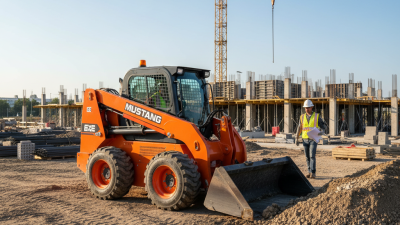
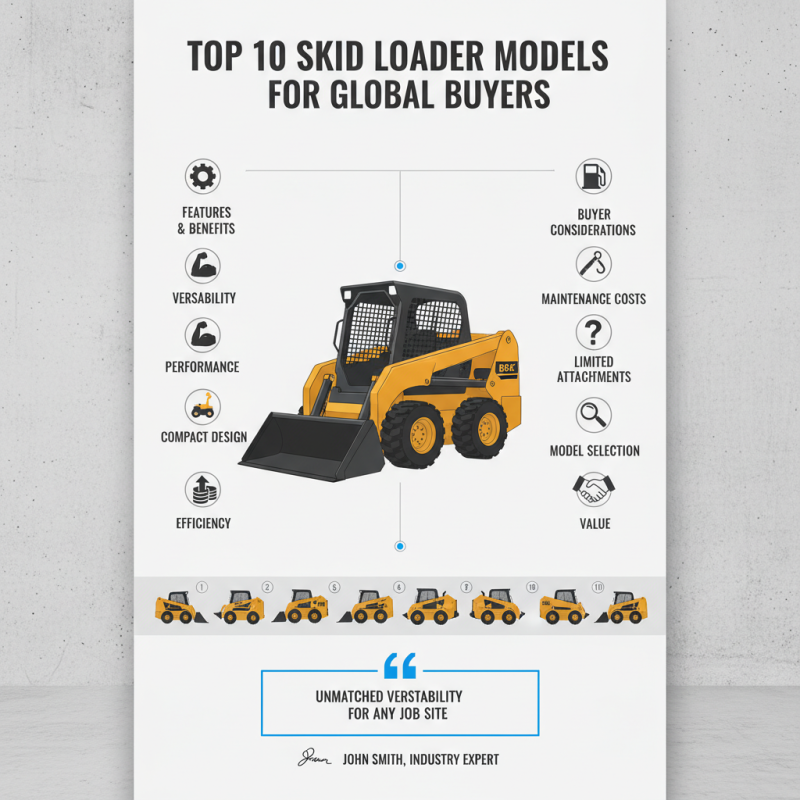
In the world of construction and landscaping, picking the right equipment can really make or break your project. The Mustang Skid Loader has become pretty popular worldwide, thanks to its solid performance and trusted reliability. Industry pro John Smith put it best when he said, "Mustang Skid Loaders are incredibly versatile—they can handle pretty much any job site." And honestly, a lot of users seem to agree, often praising how easily it manages different tasks without breaking a sweat.
Now, with so many models out there, figuring out which one is right can be a bit overwhelming. The versatility of the Mustang Skid Loader is definitely a big plus, but choosing the perfect model isn't always straightforward. Each one has its own set of features—some are better for tight spaces, others are built for lifting heavy loads. It can feel like a puzzle trying to match the right machine to your needs.
Most folks who’ve used the Mustang Skid Loader are happy with what it can do. Still, a few users have mentioned some drawbacks, like maintenance costs or limited attachments, that can be a bit of a letdown. So, it’s really worth thinking through these factors before making your final call. Overall, though, it remains a top pick for anyone after a reliable, efficient machine that gets the job done.
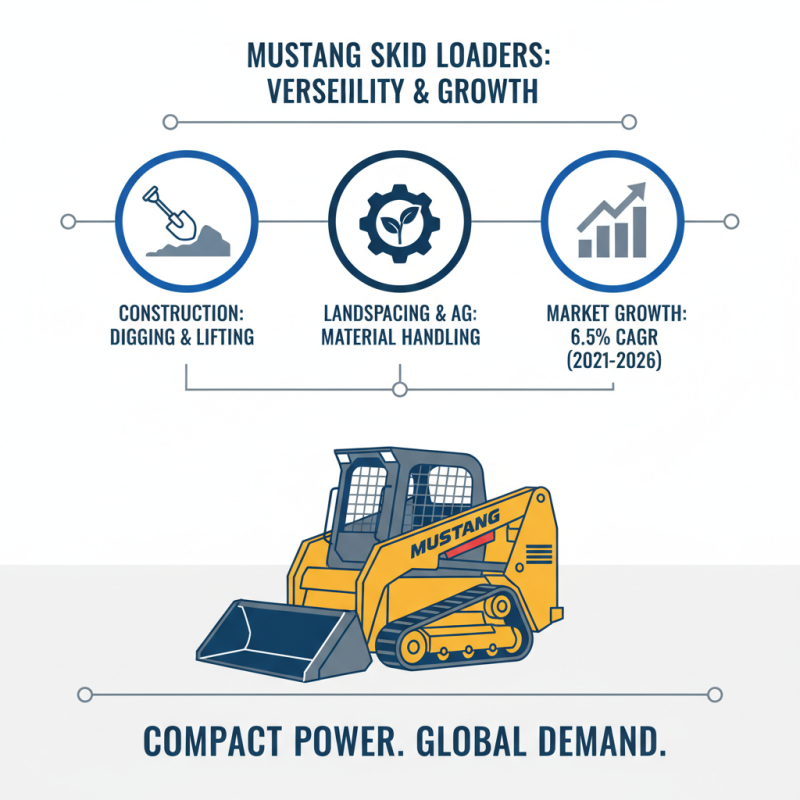
Mustang skid loaders are vital in various industries, offering versatility and efficiency. These machines are designed for tasks like material handling, digging, and lifting. Reports indicate that the global skid steer loader market is expected to grow at a CAGR of approximately 6.5% from 2021 to 2026. This growth reflects the increasing demand for compact machinery across construction, landscaping, and agriculture.
Key features of these skid loaders include a compact design, which allows them to maneuver in tight spaces. They come with various attachments, from buckets to forks, to enhance their functionality. For instance, a standard skid loader can lift loads up to 1,500 pounds, making it suitable for diverse applications. However, operators must consider the weight and suitability of attachments to avoid overloading and inefficiency.
Despite their advantages, challenges do exist. Some users report difficulty in maintaining optimal stability when fully loaded. Additionally, noise levels can be a concern, especially in urban settings. Operators often seek training to maximize the efficiency of these machines while addressing safety issues. Awareness and ongoing training are crucial for optimal performance and longevity.
When selecting a skid loader, several key features must be taken into account. Power and performance are crucial. Look for a
Loader Skid
with an engine that can handle tough terrains. Operators should not underestimate the importance of torque and horsepower. These factors impact productivity significantly. Consider the lifting capacity as well. A model that can easily lift and move heavy loads will reduce downtime.
Another important aspect is the operator's comfort and visibility. A skid loader should have an ergonomic design. Adjustable seating and intuitive controls are essential for long work hours. Visibility is vital for safety. A loader skid with a spacious cab can provide better sightlines. It allows operators to navigate safely around job sites.
Maintenance needs should not be ignored. Some models require less frequent servicing, which can save time and money. Researching the reliability of different equipment can pay off in the long term. Even the best loaders have their flaws. Potential buyers should reflect on their specific needs. Balancing features, performance, and cost is always a challenge.
In the world of construction and landscaping, versatility is key. The right Skid Steer Loader can make all the difference. Recent reports show that the demand for these machines is steadily increasing, particularly in urban development. A well-chosen skid steer loader can tackle various tasks, from grading to excavation.
Performance metrics highlight that newer models offer improved lifting capacity and maneuverability. According to industry statistics, approximately 60% of construction projects now utilize skid steer loaders for their compact size. Many users appreciate their efficiency, especially in tight spaces. However, some operators struggle with machine maintenance and service intervals, highlighting a need for better training.
The market is evolving, with many models now equipped for specialized tasks. Some loaders can switch attachments, enhancing functionality across different applications. This flexibility can sometimes lead to confusion over which attachments to use. Operators may need to invest time to learn and customize their machines effectively, ensuring optimal performance. With the right approach, a skid steer loader can be an invaluable asset in any project.
| Model | Engine Power (HP) | Operating Weight (lbs) | Rated Capacity (lbs) | Lift Height (inches) | Feature |
|---|---|---|---|---|---|
| Model A | 60 | 2800 | 2000 | 120 | Compact Size |
| Model B | 70 | 3000 | 2200 | 130 | High Lift |
| Model C | 80 | 3200 | 2400 | 135 | Enhanced Visibility |
| Model D | 90 | 3400 | 2600 | 140 | Payload Capacity |
| Model E | 95 | 3600 | 2800 | 145 | Ergonomic Controls |
| Model F | 100 | 3800 | 3000 | 150 | All-Terrain |
| Model G | 105 | 4000 | 3200 | 155 | Quick Attach |
| Model H | 110 | 4200 | 3400 | 160 | Heavy Duty |
| Model I | 115 | 4400 | 3600 | 165 | Smart Technology |
| Model J | 120 | 4600 | 3800 | 170 | Versatile Attachments |
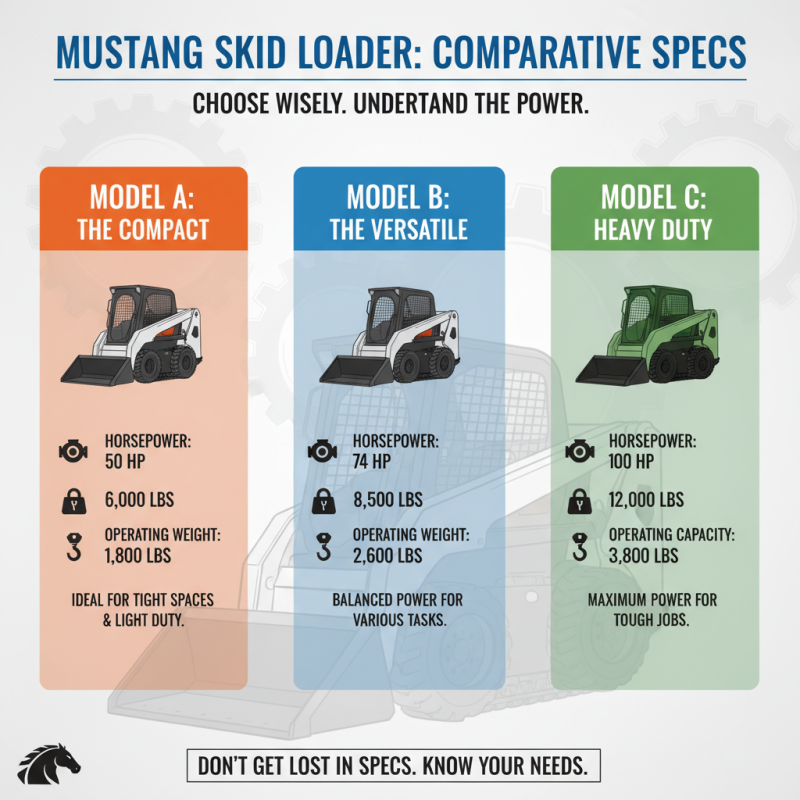
When considering skid loaders, understanding specifications is essential for buyers. Mustang models vary significantly in their capabilities. Each model includes different horsepower ratings, weight limits, and operating capacities. Buyers often find themselves lost in these specifications, which can lead to wrong decisions.
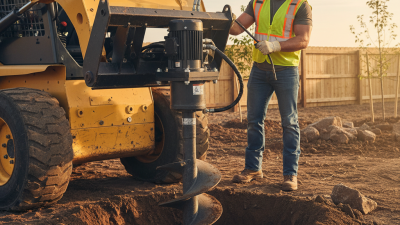
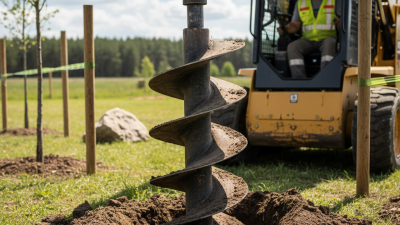
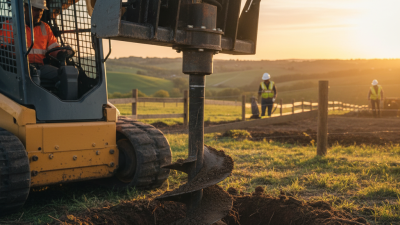
One notable aspect is the hydraulic system. The hydraulic power influences how attachments, like the Skid Loader Auger, perform. The flow rate and pressure determine efficiency. This is a crucial detail overlooked often. Models with higher flow rates can deliver better performance, especially when drilling or grading. Buyers should pay close attention to these specs.
Another area worth examining is the attachment compatibility. Not all models work well with every attachment. Some may struggle with common tools, limiting their versatility. This can be a disappointing realization for users expecting full functionality from their skid loader. Evaluating these specifications ensures that buyers choose a model that fits both their needs and expectations.
When diving into user reviews of popular skid loader models, a common theme emerges: versatility. Many operators praise these machines for their ability to handle diverse tasks. The feedback highlights the importance of attachments like Skid Loader Grapples. They enhance functionality, making it easier to lift bulky materials. Operators appreciate how these grapples simplify jobs on construction sites.
However, not all experiences are flawless. Some users mention limitations, particularly in heavy-duty scenarios. A few models struggle under extreme loads. This has led to calls for improved design in future iterations. User testimonials reveal a desire for more durable components in critical areas, particularly where grapples attach.
In essence, the conversation around skid loaders is rich with insights. Reviews encourage manufacturers to listen closely to their users. Constructive criticism could lead to innovative solutions that enhance performance. Adaptability and reliability remain key desires among global buyers, shaping the future of skid loader development.
Proper maintenance is essential for any skid loader. Even the best models require regular care to ensure they perform reliably. It starts with daily inspections. Check the fluid levels and assess the tires for wear. This can prevent costly repairs down the line. Each component needs your attention to extend its lifespan.
Regular cleaning is also crucial. Dirt and debris can impact performance and lead to overheating. A simple wash can make a significant difference. Pay close attention to the radiator and cooling vents. Remove accumulated dust and grime to enhance air circulation.
Another vital aspect is the lubrication of moving parts. Regularly grease joints and hinges to minimize friction. This not only allows for smoother operation but also reduces wear and tear. Remember, a well-maintained skid loader operates more efficiently. Failing to keep up with maintenance can lead to unexpected breakdowns, which can derail project schedules. Keeping a maintenance log can help track what has been done and what still needs attention.
The skid loader market is evolving rapidly. New technologies emerge annually, enhancing performance and efficiency. Data from industry reports reveal a projected growth rate of over 5% in the next five years. This growth indicates robust demand and innovation in skid loaders.
Electric and hybrid options are reshaping the market landscape. These models offer reduced emissions and lower operating costs. Reports suggest that 30% of buyers now prioritize sustainability features. Mustang’s commitment to advancing electric technology highlights the shift. This aligns with global trends towards greener construction practices.
However, challenges persist. Maintenance of new technologies requires specialized training. As operators adapt, there may be a steep learning curve. Furthermore, initial costs for advanced models are higher. Buyers need to evaluate long-term benefits against upfront investments. The evolution of skid loader technology presents a pivotal moment for manufacturers and users alike.
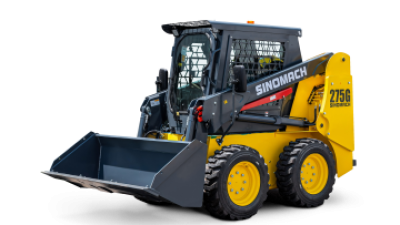
The 275G wheeled skid steer loader is revolutionizing modern construction projects with its impressive versatility and operational efficiency. Its all-wheel-drive system enables differential linear wheel speeds, providing exceptional maneuverability and traction in challenging work environments. According to a recent industry report, equipment with enhanced maneuverability has shown to reduce project completion times by up to 20%, making models like the 275G invaluable for businesses seeking improved productivity.
The compact design of the 275G allows it to thrive in confined spaces, such as workshops and vessel decks, where traditional machinery may struggle. Coupled with its pivot-turn capability, this loader can execute tight turns and navigate narrow aisles with ease. This adaptability is critical, especially in urban development and municipal maintenance projects where space is often at a premium. A survey from the Construction Industry Institute indicates that machines with such versatility are increasingly preferred in urban construction, contributing to a notable 15% increase in operational efficiency over the last two years.
Moreover, the 275G's design caters to a wide array of applications, from agricultural operations to industrial logistics and even emergency response scenarios. Its ability to swiftly transition between various tasks enhances the efficiency of modern operations, allowing companies to allocate resources more effectively. As construction practices evolve to demand higher efficiency and adaptability, the significance of advanced machinery like the 275G will continue to grow, shaping the future of the industry.
: Focus on power, performance, lifting capacity, and operator comfort.
A powerful engine handles tough terrains and enhances productivity significantly.
An ergonomic design and adjustable seating help operators work efficiently for longer hours.
Good visibility allows operators to navigate safely around job sites, reducing the risk of accidents.
Models requiring less frequent servicing save time and money in maintenance costs.
Some models struggle with extreme loads, indicating a need for improved designs.
Attachments enhance functionality, making it easier to lift and move bulky materials.
Users desire more durable components, especially in areas where attachments connect.
Yes, balancing features, performance, and cost is essential for making the right choice.
Constructive criticism encourages manufacturers to innovate and enhance loader performance.
The article titled "Top 10 Mustang Skid Loader Models for Global Buyers" provides a comprehensive overview of Mustang Skid Loaders, highlighting their versatility and applications across various industries. Key features to consider when selecting a skid loader include load capacity, engine power, and attachment options, which are crucial for meeting specific operational needs.
The article presents a comparative analysis of the top 10 Mustang Skid Loader models, detailing their specifications and suitability for different tasks. Additionally, user reviews and testimonials offer insights into the performance and reliability of popular models. Maintenance tips are provided to ensure optimal performance and longevity of these machines. Finally, the article discusses future trends in skid loader technology, emphasizing Mustang's important role in advancing this equipment.